Optimal Seasons for Roofing Services
The optimal time for roofing service depends on weather conditions and seasonal factors. Typically, mild and dry weather provides ideal conditions for installation, repairs, and maintenance. Planning during these periods can help ensure quality workmanship and longer-lasting results.
Spring offers moderate temperatures and less precipitation, making it suitable for roofing projects. It is a popular season for repairs and replacements before the summer heat.
Summer provides extended daylight hours and warm weather, ideal for completing roofing work. However, high temperatures can pose challenges, requiring careful scheduling.
Fall is considered one of the best times for roofing, with cooler temperatures and generally dry weather. It allows for thorough work before winter arrives.
Winter is less ideal due to cold temperatures and potential snow or ice. However, in milder climates, some roofing work can be performed if conditions permit.
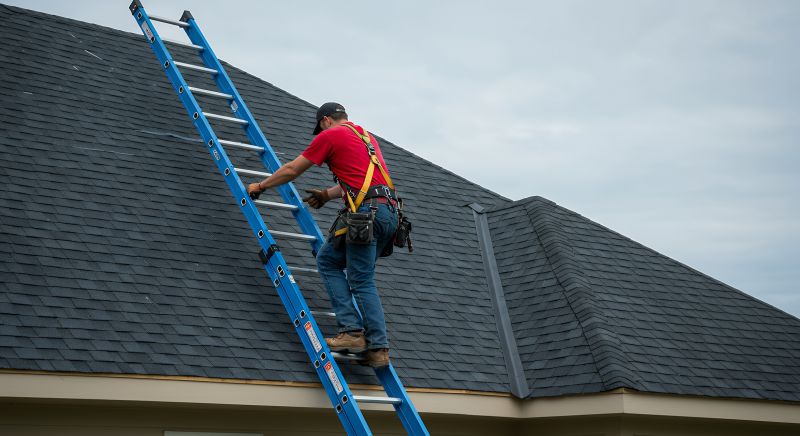
Ways to make Roofing Service work in tight or awkward layouts.
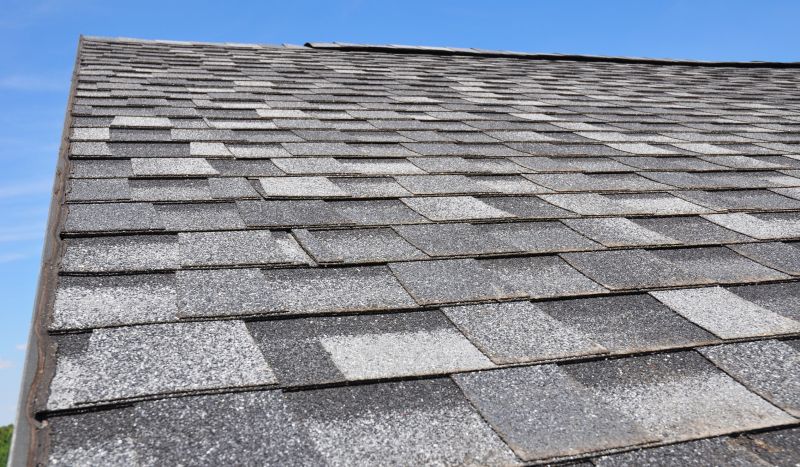
Popular materials for Roofing Service and why they hold up over time.
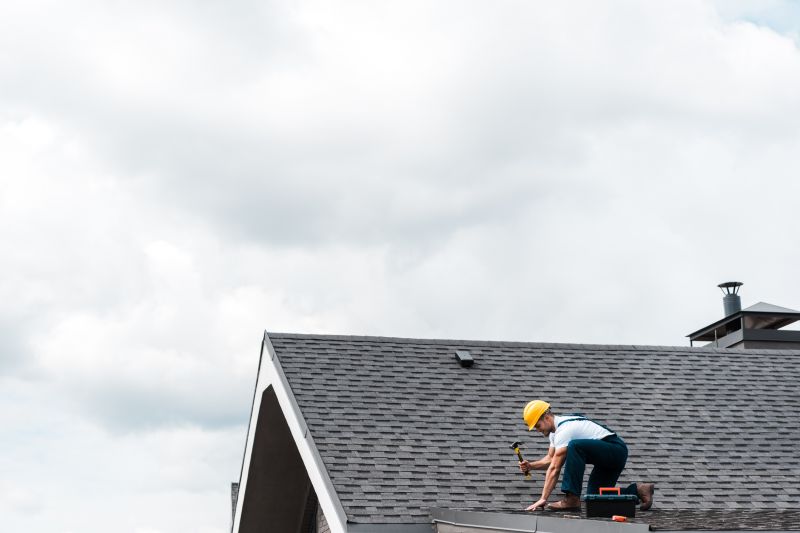
Simple add-ons that improve Roofing Service without blowing the budget.
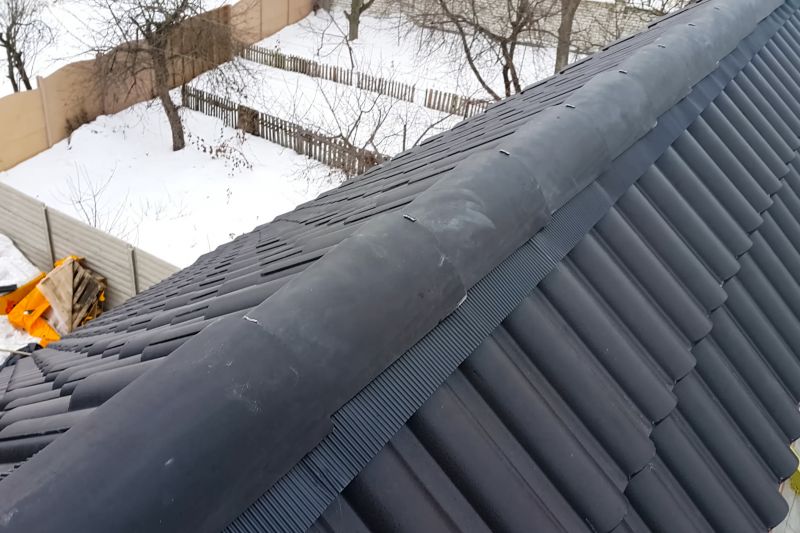
High-end options that actually feel worth it for Roofing Service.
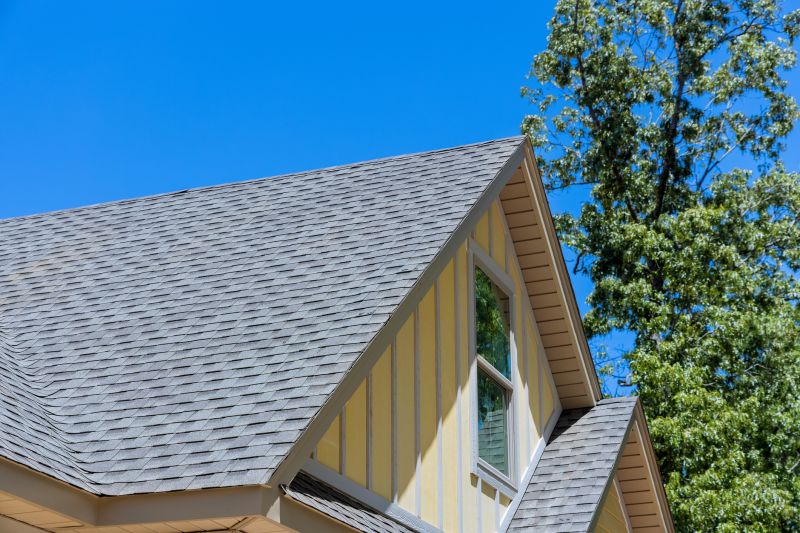
Finishes and colors that play nicely with Roofing Service.
Little measurements that prevent headaches on Roofing Service day.
| Season | Ideal Conditions |
|---|---|
| Spring | Moderate temperatures, low precipitation |
| Summer | Warm weather, extended daylight |
| Fall | Cooler temperatures, dry weather |
| Winter | Cold temperatures, potential snow |
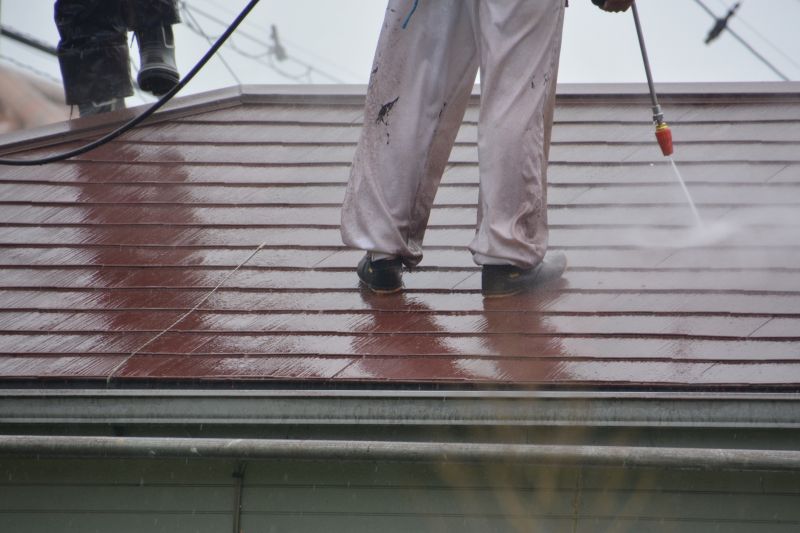
A 60-second routine that keeps Roofing Service looking new.
A frequent mistake in Roofing Service and how to dodge it.
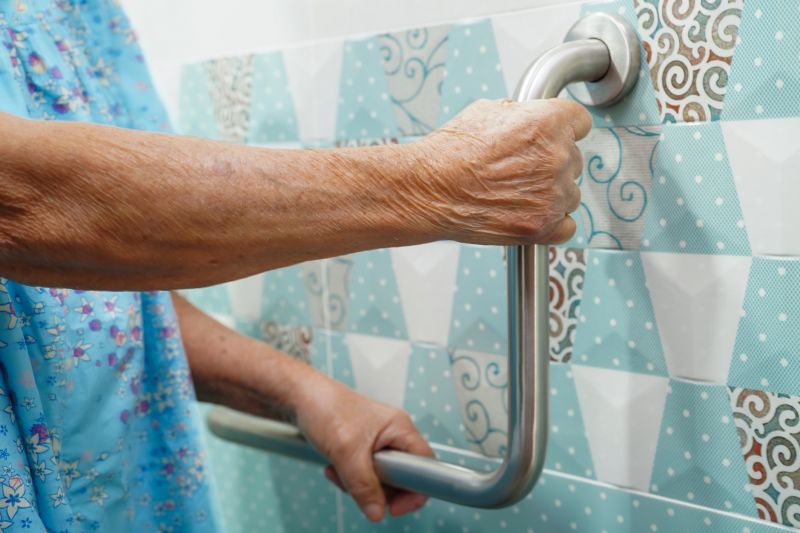
Small tweaks to make Roofing Service safer and easier to use.
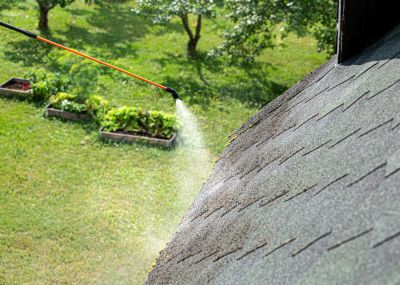
Lower-waste or water-saving choices for Roofing Service.
The duration varies based on project size and weather conditions, ranging from a few hours to several days.
Rain can delay roofing projects; scheduling during dry periods is recommended for optimal results.
Yes, scheduling maintenance during favorable seasons helps prevent weather-related damage and extends roof life.
Visible damage, leaks, missing shingles, or age-related deterioration suggest the need for inspection or repairs.